


-
517,
Suncity Success Tower,
sec 65, Gurgaon,,
Haryana 122018. - info@thesixthelement.in
- +91 9810069803
Which Indoor Plants Are Best for a Living Room
By The Mind of An Architect | Oct 16, 2026 | Interior Design
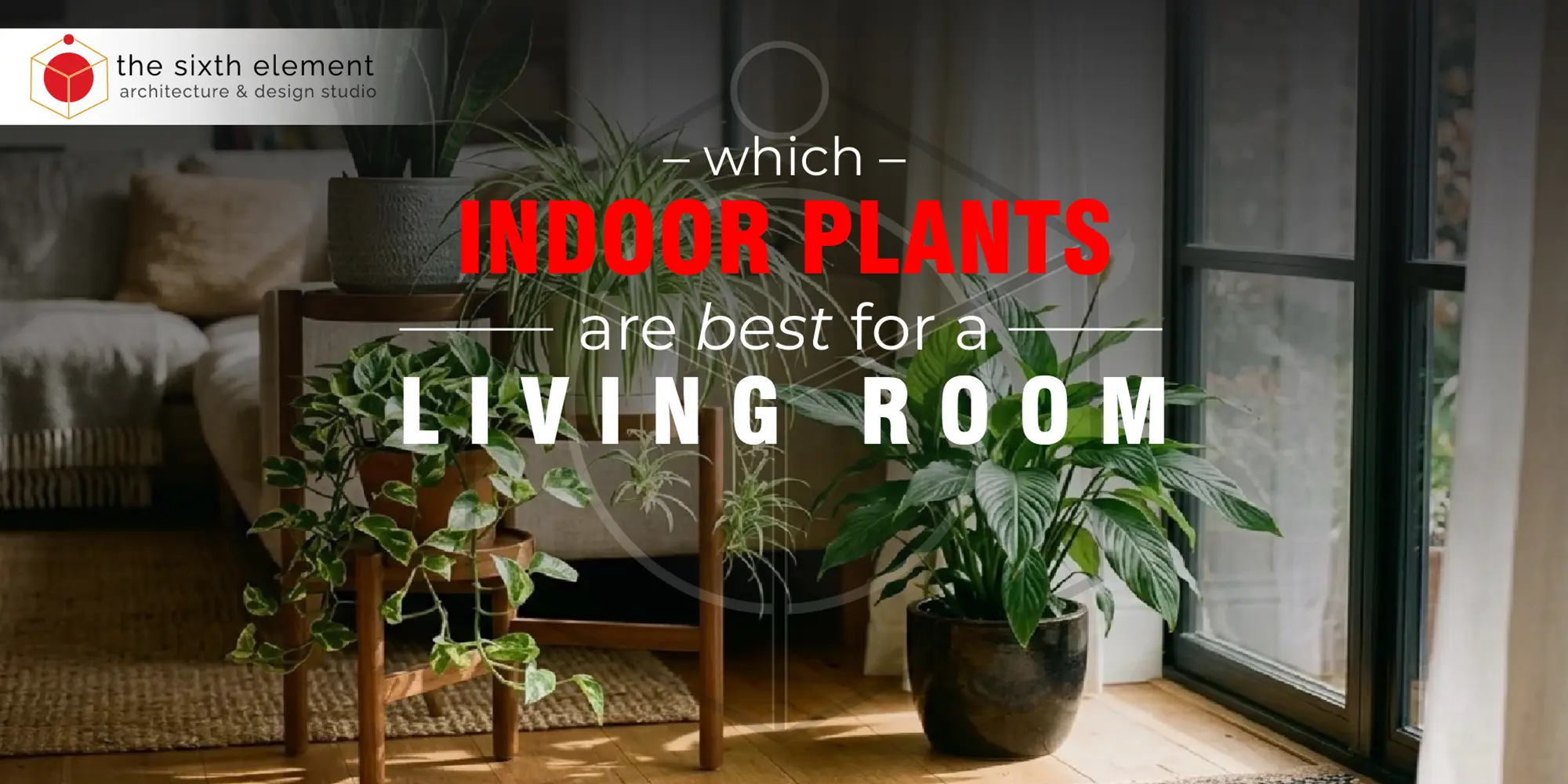
Have you ever looked at an empty corner in your living room and wondered what to put there? A tall green plant might be all you need. Plants look lovely beside sofas, near windows, and on shelves. They add colour to a room without taking up too much space.
But which indoor plants are best for a living room? That depends on how much sunlight comes through your windows, how big your room is, and how often you can water them. Some plants need daily attention, while others can go several days without water. Here are eight plants you can grow indoors, along with a few tips on where to keep them.
Which Indoor Plants Are Best for a Living Room? 8 Easy Plants to Grow Indoors
There are hundreds of houseplants, but you don't need to know about all of them. These eight are worth considering for Indian homes.
- Snake Plant: For Busy People
If you sometimes forget to water your plants, start with a snake plant. Its tall, pointed leaves grow upright, so the pot doesn't occupy much space.
You can place it beside a sofa, near a television unit, or in a corner that receives indirect sunlight.
Snake plants don't like wet soil. Wait until the soil dries before watering again. Keep them away from pets that chew leaves.
- Money Plant: For Shelves and Hanging Pots
The money plant is one of the most common indoor plants for living room decoration in Indian homes.
Its heart-shaped leaves grow along trailing stems. You can let them hang from a shelf or guide them around a support.
Money plants prefer indirect sunlight. If you keep one in soil, water it when the upper layer starts drying.
Avoid keeping pothos within reach of cats and dogs because chewing the leaves can irritate their mouths.
- Areca Palm: For Empty Living Room Corners
Do you have an empty corner near a window? An areca palm could work well there.
Its long, narrow leaves spread outwards and give the room a fuller appearance. Unlike smaller table plants, an areca palm needs enough space for its leaves to grow.
Keep it somewhere with bright, filtered sunlight. Water when the upper soil begins to dry, but don't leave the pot standing in water.
- Rubber Plant: For a Simple, Modern Look
Rubber plants have broad, glossy leaves that look attractive beside wooden furniture and light-coloured walls.
They thrive in windows where they receive plenty of indirect light. Keep them out of the strong afternoon sun or it may scorch the leaves.
An Architect Gurgaon homeowners hire can help plan window positions and natural lighting in new homes, making it easier to find suitable places for indoor plants.
- Peace Lily: For Beautiful White Flowers
If you want something that produces flowers, consider a peace lily.
Its dark green leaves and white flowers look nice on a side table or plant stand. It prefers moderate to bright indirect sunlight and slightly moist soil.
Don't let the pot stay too wet. Also, avoid this plant if your pets have a habit of chewing leaves, as it can cause mouth irritation.
- Spider Plant: For Small Living Rooms
Spider plants have long, narrow leaves that curve over the sides of their pots.
They look lovely in hanging baskets or on shelves. Since they don't need much floor space, they're a good choice for smaller apartments.
Keep them in indirect sunlight and water when the upper soil dries. Spider plants are generally considered safe for cats and dogs.
- ZZ Plant: For Rooms With Less Sunlight
Some living rooms don't receive much daylight, especially in apartment buildings.
A ZZ plant can tolerate these conditions better than many other houseplants. Its thick, shiny leaves grow on upright stems, making it suitable for corners and side tables.
Water only when the soil has dried. Too much water can cause root problems.
- Fiddle Leaf Fig: For Large Living Rooms
The fiddle leaf fig has large leaves that make it stand out among other drawing room plants.
Looks great next to a sofa or next to a large window. However, it needs bright, indirect sunlight and doesn't respond well to frequent changes in location.
Choose this plant if you have enough space and can check its watering needs regularly.
Why Do People Keep Plants in Their Living Rooms?
A room full of furniture can sometimes look a little plain. Green plants help break up that look, particularly when you have white walls, wooden furniture, or empty corners.
You don't need to spend much money either. A money plant on your bookshelf or a snake plant beside your sofa can make the room look nicer.
An Interior Designer Gurgaon homeowners consult may recommend plants when arranging furniture and choosing decorations. However, you should always consider the amount of natural light your room receives before buying anything.
Where Should You Place Plants in Your Living Room?
You don't have to put every plant near the window. Look around your room and find places where greenery would look good without blocking movement.
- Near the sofa: A rubber plant or snake plant can fill the space beside your seating area.
- On a bookshelf: Money plants and spider plants work well because their leaves can hang down naturally.
- In an empty corner: Areca palms and fiddle leaf figs suit corners with enough daylight.
- On a side table: Smaller plants look nice beside lamps, books, and photo frames.
An Interior Designer Delhi homeowners consult can help choose plant sizes that suit the furniture arrangement.
If you're planning Construction Gurgaon work for a new home, think about windows and balcony access early. An Architect Delhi professional can also help plan natural lighting according to the room's layout.
How Can You Keep Living Room Plants Healthy?
Most indoor plants struggle because people water them too often or keep them in the wrong place.
Check the soil with your finger before watering. Make sure your pots have drainage holes, and remove water collected in their trays.
Clean dusty leaves occasionally. If a plant starts developing yellow leaves or brown edges, check its sunlight, watering, and drainage.
Start with two or three plants rather than buying several at once. Once you understand their needs, you can add more.
Make Your Living Room Feel More Like Home
The best plants for living room decoration aren't necessarily the biggest or most expensive ones. Choose plants that suit your room's light, available space, and daily routine.
At The Sixth Element, the focus is on planning living spaces where furniture, lighting, colours, and greenery work well together.
Frequently Asked Questions
1. How much sunlight do living room plants need?
Most prefer indirect sunlight. Snake plants and ZZ plants tolerate lower light, while fiddle leaf figs need brighter conditions.
2. Which indoor plants are safe for cats and dogs?
Spider plants, areca palms, and parlor palms are generally non-toxic to cats and dogs.
3. How often should I water snake plants and fiddle leaf figs?
Water snake plants after the soil dries. Water fiddle leaf figs when the top few centimetres feel dry.
4. Which plants work well in small living rooms?
Spider plants, peperomia, and compact snake plants fit well on shelves, side tables, or small plant stands.
5. Which indoor plants are easiest for beginners?
Snake plants, ZZ plants, and spider plants are good choices for beginners because they don't require frequent watering.